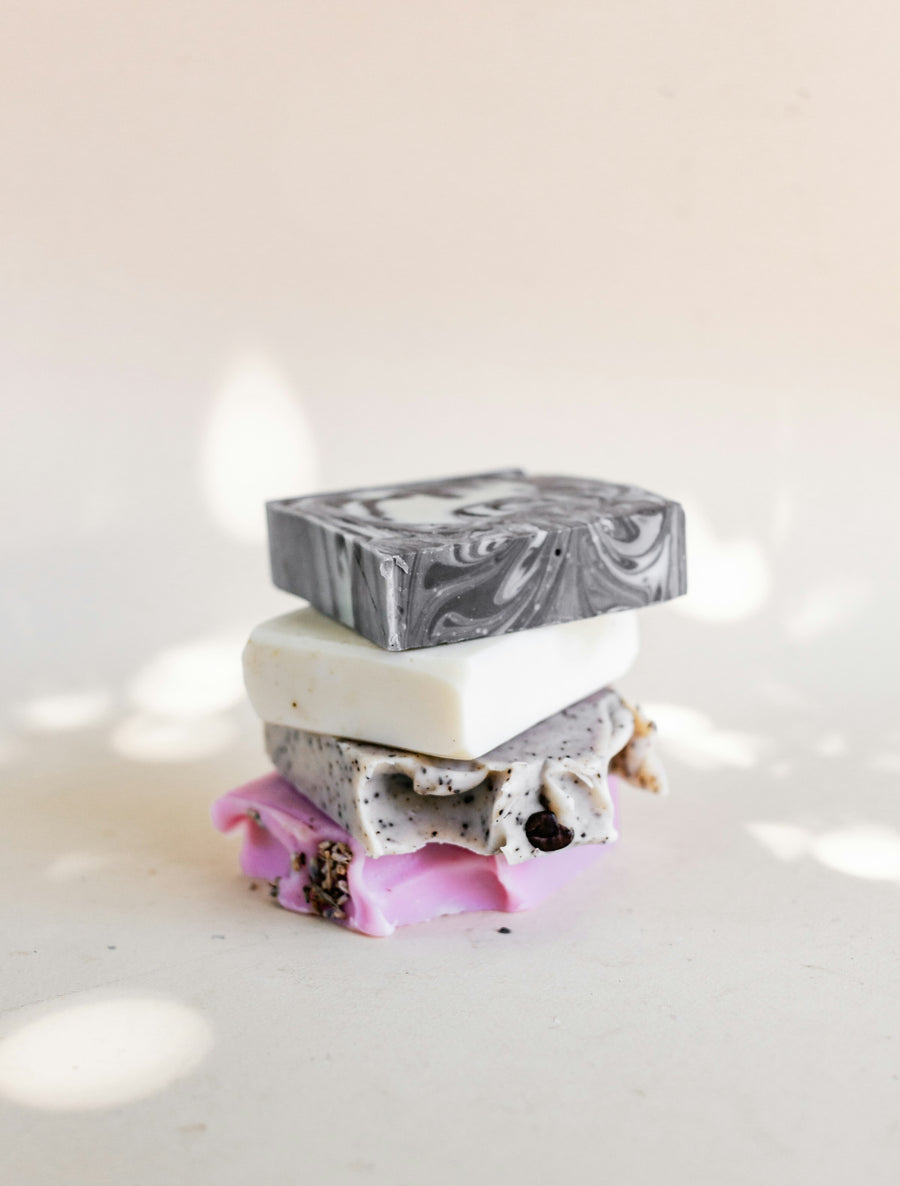
Soap making supplies for beautiful bars.
Silicone soap molds, wire cutters, starter kits and self-draining soap dishes, plus free guides and a lye calculator to get every batch right.
12 soap making essentials
Molds, cutters, kits and dishes, shipped with tracking.

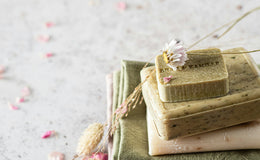
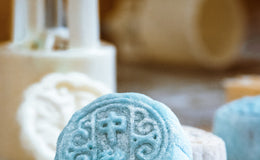
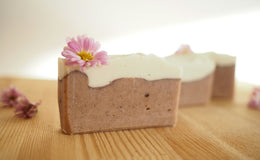
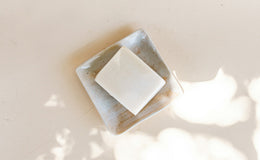
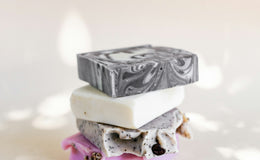
Shop by category
Everything for your next batch
Pick a category to start, or take the quiz below and we'll build your list for you.

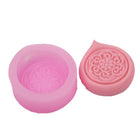
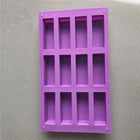
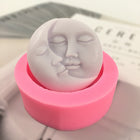



-
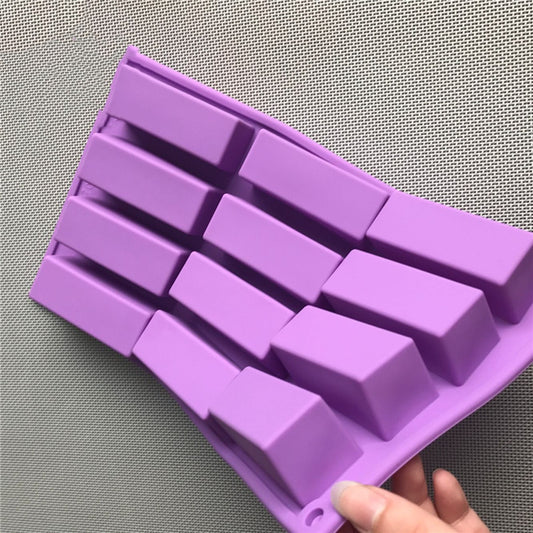
12-Cavity Rectangle Silicone Soap Mold for Guest-Size Bars
Regular price From $17.99Regular price -
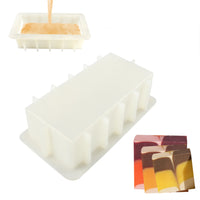
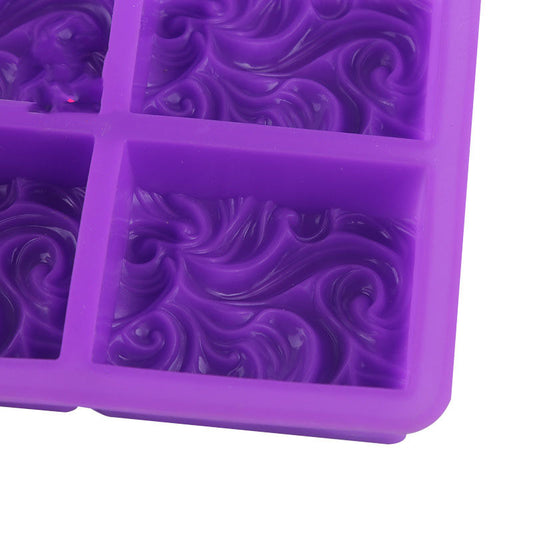
4-Cavity Swirl Rectangle Silicone Soap Mold
Regular price $18.99Regular price -
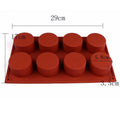
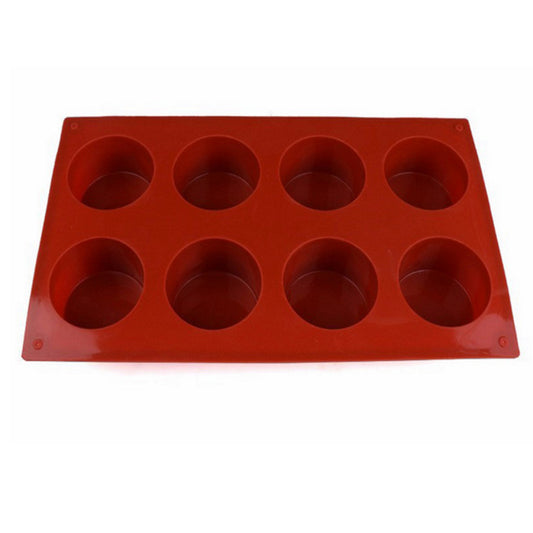
8-Cavity Round Silicone Soap Mold for Melt & Pour and Cold Process
Regular price $15.99Regular price -
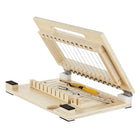
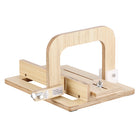
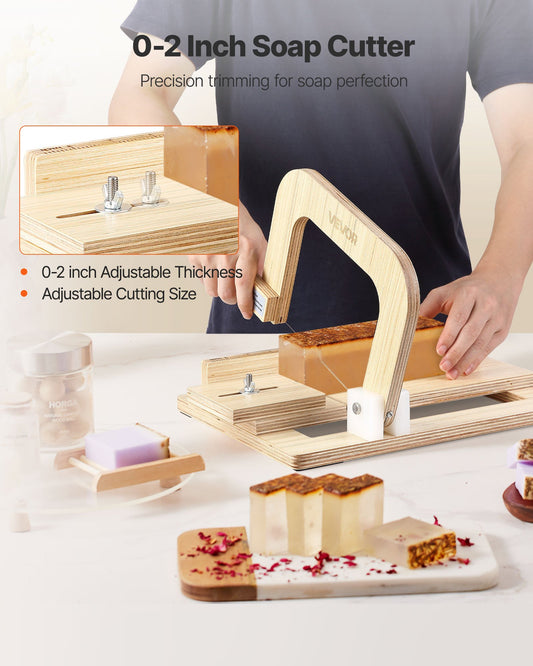
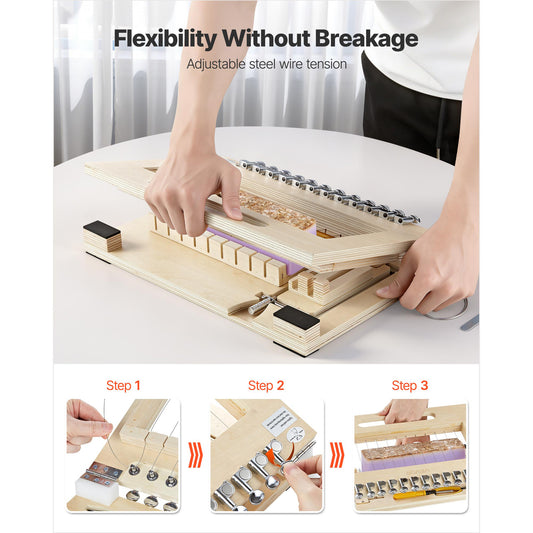
Adjustable Wooden Soap Cutter with Wire Tension, 0-2 Inch Bar Slicer
Regular price $59.99Regular price -
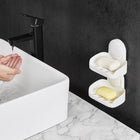
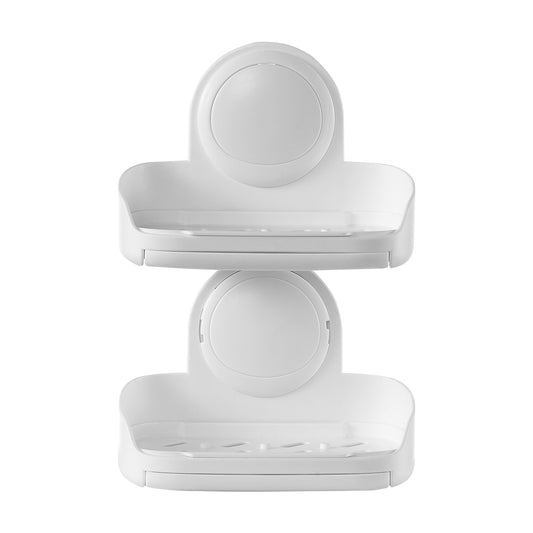
Double-Layer Suction Soap Dish with Drain Tray for Shower
Regular price $16.99Regular price -
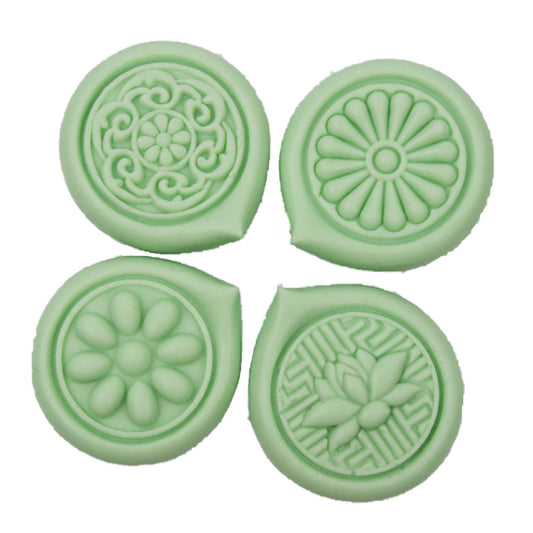
Flower Shape Craft Silicone Soap Mold
Regular price $12.99Regular price -
Multi-Bar Soap Loaf Cutter, Cuts 1 to 12 Even 1-Inch Bars
Regular price $134.99Regular price -
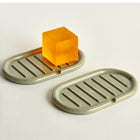
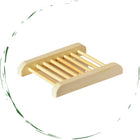
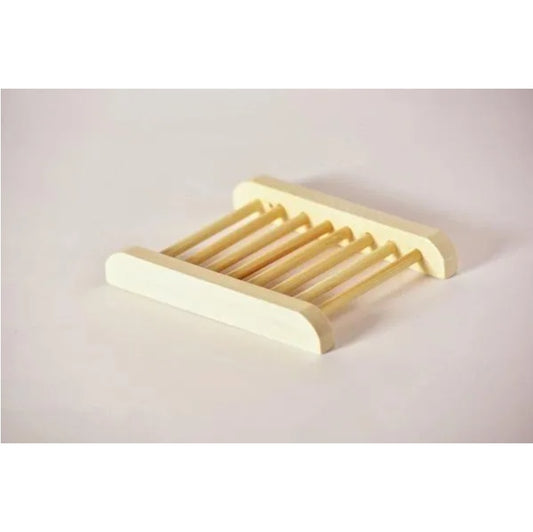
Natural Bamboo Soap Dish, Self-Draining Bar Soap Holder
Regular price $19.99Regular price








How soap gets made
From first pour to finished bar.
Four steps, the right supply for each one, and nothing you don't need.



01Step 1
Choose your method
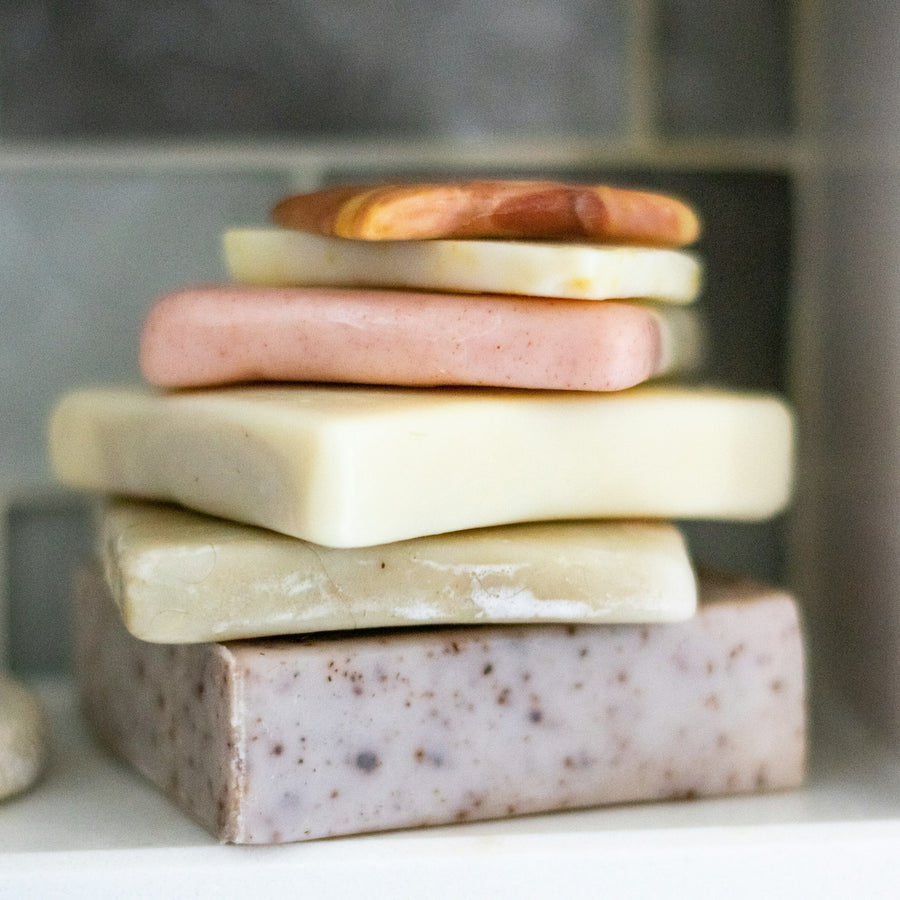
Get a starter kitMelt and pour uses a ready-made base, so there's no lye to handle and bars set within an hour or two. Cold process starts from oils and lye for complete control, then cures for four to six weeks.
02Step 2
Color & scent it
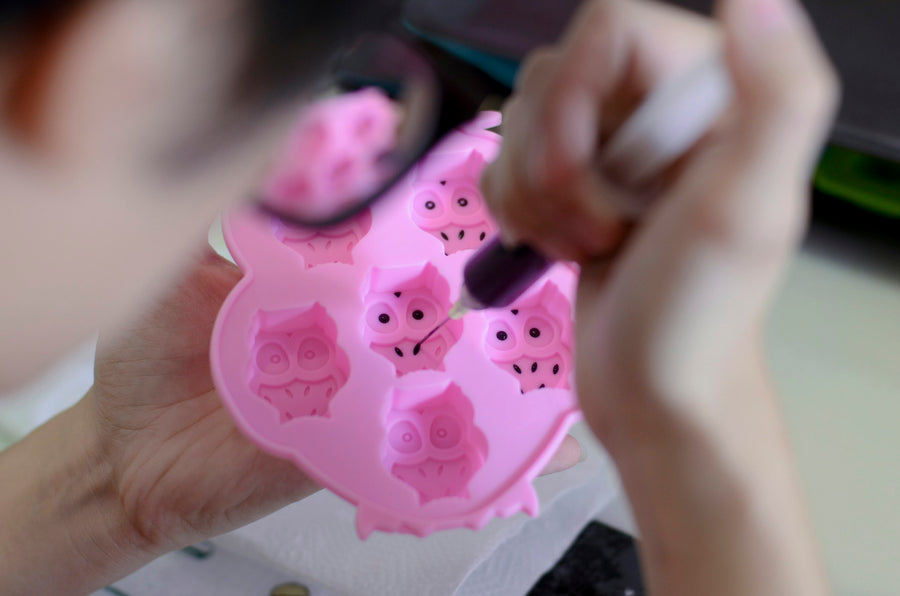
Calculate fragrance amountsMica powders give shimmer and swirl. Use about 1 teaspoon per pound of soap, dispersed in a little oil or glycerin first so it doesn't clump.
03Step 3
Pour into the right mold
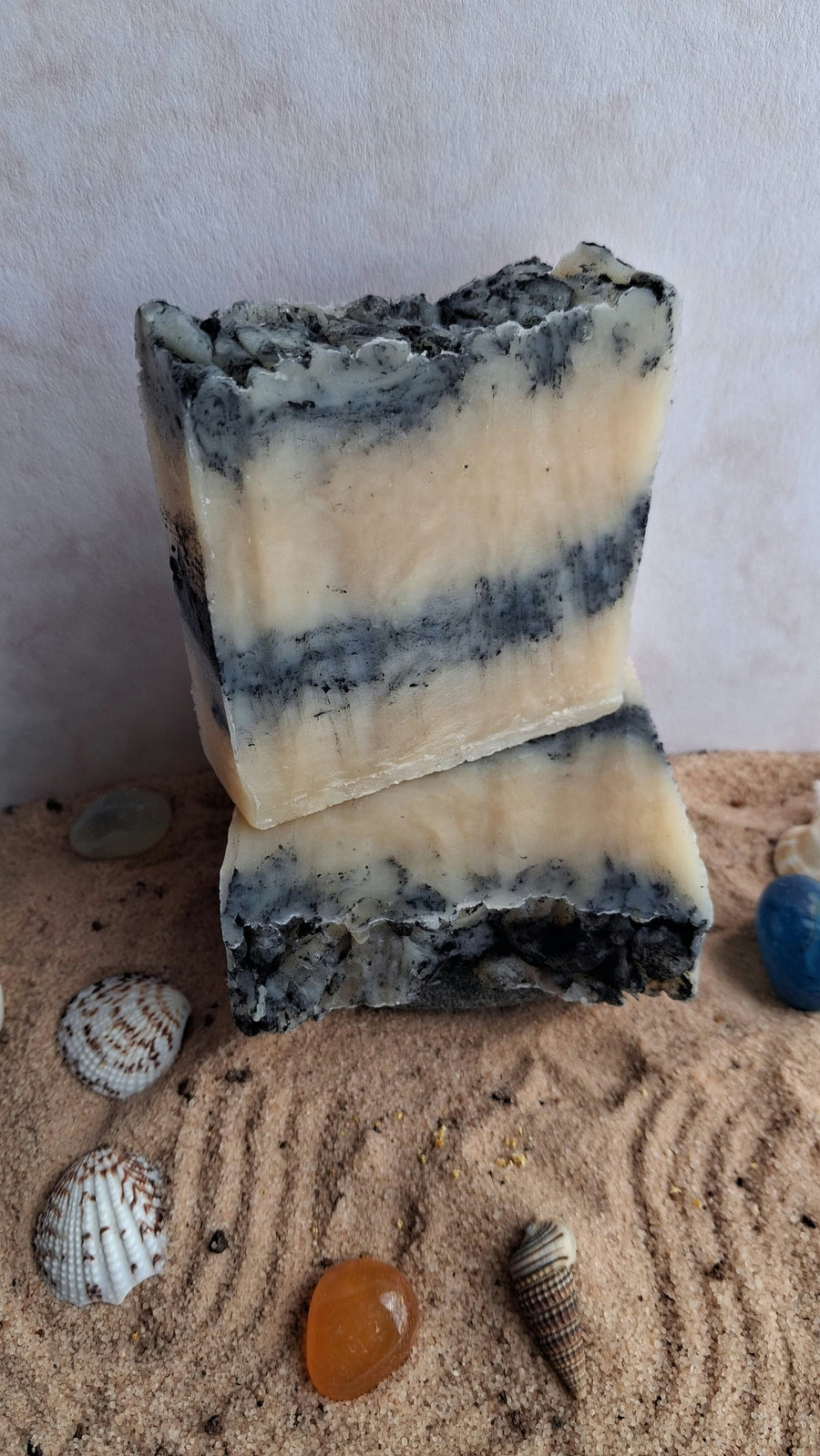
Browse moldsSilicone loaf molds are the classic choice for cold process. Cavity molds give perfectly shaped single bars with zero cutting.
04Step 4
Cut, cure & package
Shop soap cuttersA wire cutter gives straight, even bars every time. Let cold process soap cure in a ventilated spot, then stamp, wrap and label it.
Pour-day notes
Small tips for better bars
Eight things experienced makers wish they had known sooner, and the supplies that make each one easier.
 01 / 08
Cut clean, even barsMost cold process loaves are ready to cut 24 to 48 hours after pouring, when they are firm but not brittle.
Shop soap cutters
 02 / 08
Stamp while it is softPress a stamp into fresh cold process bars within a day or two of cutting for crisp, deep impressions.
Shop tools
 03 / 08
Botanicals, placedSet dried petals in the cavity first, then pour. In melt and pour, a light spritz of rubbing alcohol helps layers bond.
Shop cavity molds
 04 / 08
Melt and pour in an afternoonMelt and pour bases usually set within an hour or two, so you can pour, unmold and wrap the same day.
Shop starter kits
 05 / 08
Soft, earthy colorMicas and clays give muted pastels. Disperse colorant in a little oil or glycerin first so it does not speckle.
Browse all supplies
 06 / 08
Cure with air all aroundCure cold process bars for four to six weeks on a slatted rack so every side dries evenly.
Shop soap cutters
 07 / 08
Keep bars dry between usesA draining dish lets a handmade bar dry out between uses, which helps it last noticeably longer.
Shop soap dishes
 08 / 08
Finish with a natural dishBamboo and wood dishes suit handmade soap. Let them dry fully between uses to keep them fresh.
Shop soap dishes
Why Soap Supply
Made for makers, not warehouses
We keep the range tight, explain what each tool is for, and answer questions like people who make soap.
-
21oils
Free lye calculator
Build a recipe from 21 common oils and butters and get lye, water and fragrance amounts instantly.
-
4steps
Guides that help
Plain-English guides for melt and pour, cold process, coloring, cutting and packaging.
-
03
Tracked on every order
Every order ships with tracking, so you always know where your supplies are.
-
04
People answering email
Not sure which mold size fits your recipe? Write to us and a real person replies.
30-second quiz
Find your perfect starter setup
Answer three quick questions and we'll point you to exactly what you need. No guesswork, no wasted money.
What are you making?
How many batches have you made?
What matters most to you?
Your match
Your starter setup
Want the printable beginner checklist and 10% off your first order?
Cut, stamp & finish
-
Multi-Bar Soap Loaf Cutter, Cuts 1 to 12 Even 1-Inch Bars
Regular price $134.99Regular price -
Adjustable Wooden Soap Cutter with Wire Tension, 0-2 Inch Bar Slicer
Regular price $59.99Regular price -
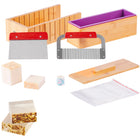
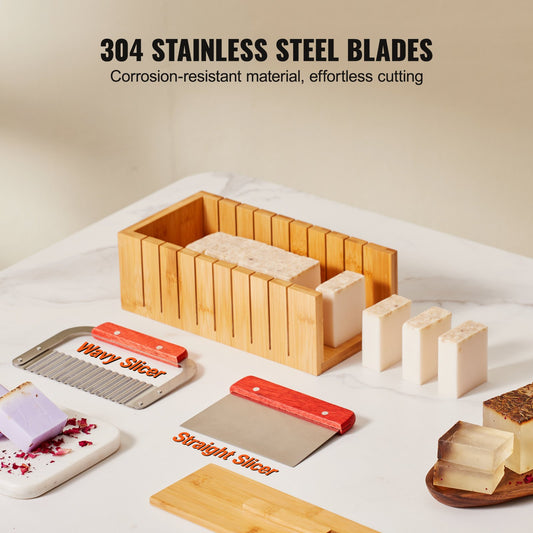
Soap Making Kit: Bamboo Loaf Mold, Silicone Liner, Straight & Wavy Cutters
Regular price $39.99Regular price

What's the difference between melt and pour and cold process soap?
Melt and pour uses a pre-made soap base that you melt, color, scent and pour, with no lye handling, and bars are usually ready the same day. Cold process starts from oils and sodium hydroxide (lye), gives you full control over ingredients, and needs to cure for about four to six weeks.
Which soap mold should a beginner buy?
A silicone loaf mold is the most versatile first mold for cold process. For melt and pour, a multi-cavity bar mold is easiest because every bar comes out finished with no cutting.
How much mica powder do I add to soap?
Start with about 1 teaspoon of mica per pound of soap and adjust to taste. Disperse it in a small amount of oil (cold process) or rubbing alcohol or glycerin (melt and pour) first so it mixes evenly.
How long does shipping take?
Most orders arrive within 5–12 business days, and items stocked in US warehouses often arrive sooner. Every order includes a tracking number sent to your email.
Is the lye calculator free to use?
Yes. Our soap calculator is free and needs no account. Enter your oils, choose a superfat and water ratio, and it shows how much lye, water and fragrance to use. Always double-check a new recipe before making it.
Can I return something?
Yes. If something arrives damaged or isn't what you expected, contact us within 30 days of delivery and we'll make it right. See our refund policy for the details.
The Soap Club
Join the club. Get 10% off your first order.
Makers who subscribe get our best tips first. Unsubscribe any time.
- 10% off your first order
- Free printable beginner checklist
- New recipes & techniques, about twice a month
- First look at new molds and tools